

The buyer's decision
Restart or relocate?
Every buyer of a complete industrial asset meets this decision early, and it changes everything that follows. There is no general right answer; it depends on what the buyer already owns and where, and on what they are actually buying — capacity in place, or equipment that can travel.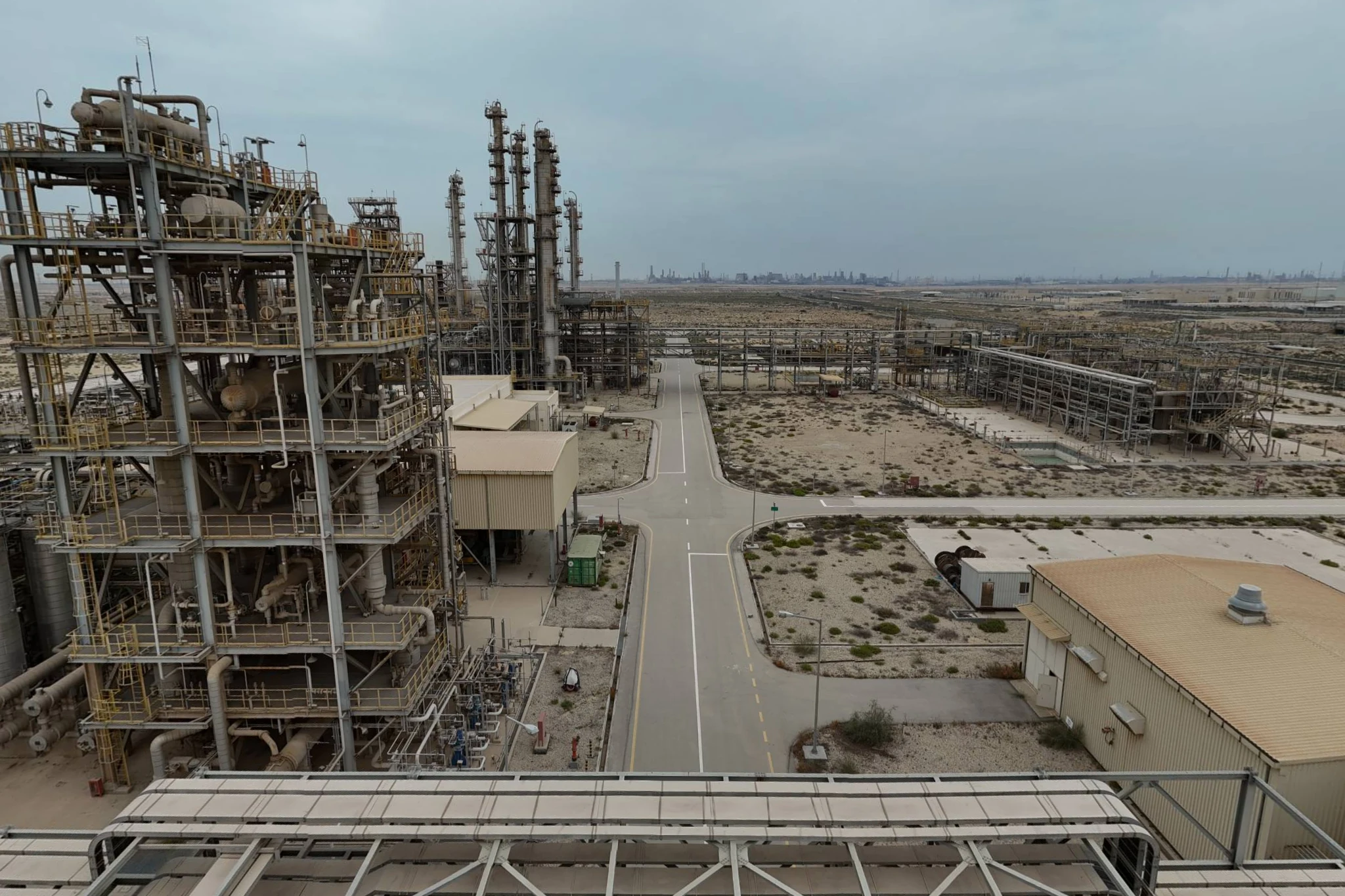
What each route is actually buying
Restart in place buys the asset as a system: equipment together with its interconnections, the utilities attached to it, the site it was designed for, and the land and utility rights within Jubail Industrial City. The value of this route is the integration itself — rebuilding the interconnection between process units and utilities is a substantial cost that never appears on an equipment list.
Relocation buys equipment as components. That buyer typically already has a site and utilities, and needs the capacity or the units rather than the location. The trade-off is direct: the cost of dismantling, transport and reassembly against avoiding the cost of operating a site in another jurisdiction.
What changes in the inspection
Restart focuses on: equipment condition and operability, maintenance history, the integrity of electrical and control systems, utility availability and capacities, applicable operating and environmental permits, and the condition of buildings and structures.
Relocation focuses on: package boundaries and separation points, documentation of connection points for reassembly, dimensions, weights and lifting requirements, on-site road constraints, marine logistics through King Fahd Industrial Port, permits in the destination country, and compatibility of codes, voltage and frequency with the receiving site.
Why the route is asked for early
Because the inspection route is built around it. A technical team visiting to assess restart gathers entirely different data from one assessing dismantling. Stating the intent early saves a second visit and makes the site time productive.
The route is not binding at the first stage. Many buyers begin by evaluating both and decide after inspection, which is entirely acceptable — it simply needs to be stated, so the inspection can be arranged to cover both.
The information shown is preliminary and non-binding. Specifications, quantities, condition, and availability remain subject to technical inspection, qualification, and relevant agreements.
Related categories
Polysilicon across solar and semiconductor markets: computing, data centres and technical qualification of industrial assets.
View details How polysilicon is producedA general explanation of how high-purity polysilicon is produced — from metallurgical silicon through trichlorosilane to deposition — and the equipment categories each stage requires.
View details From enquiry to agreementThe seven stages of acquiring a complete industrial asset in Jubail: qualification, confidentiality agreement, approved data, site inspection, non-binding offer, confirmatory due diligence, and definitive agreements.
View details Jubail Industrial CityWhy the asset's location matters: the Royal Commission for Jubail and Yanbu, industrial utilities, access to King Fahd Industrial Port, and the licensing and foreign investment routes in Saudi Arabia.
View details Frequently asked questionsDirect answers on asset scope, transaction structure, price, specifications, inspection, export, financing, and who qualifies to enquire.
View details